
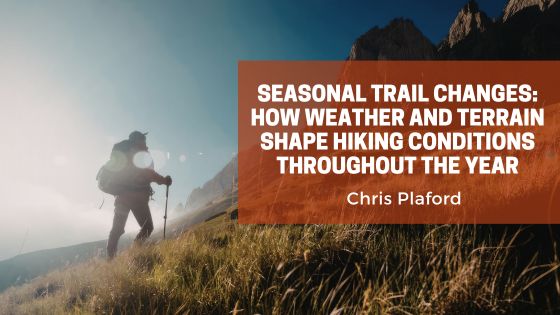
Hiking trails rarely stay the same throughout the year. Weather patterns, temperature shifts, and natural terrain changes constantly reshape the conditions hikers encounter. A path that feels dry and easy during summer may become muddy in spring, icy in winter, or covered with fallen leaves in autumn. Understanding how seasons affect trails helps hikers prepare properly, choose the right gear, and navigate safely while enjoying the outdoors.
Seasonal changes also influence trail difficulty, accessibility, and overall experience. Being aware of these shifts allows hikers to adapt their expectations and approach each outing with greater awareness.
Spring: Wet Trails and Renewed Growth
Spring often brings melting snow, rainfall, and rising temperatures. These conditions can leave trails muddy and soft, especially in forested areas or locations with poor drainage. Water runoff may create temporary streams or puddles across paths, making footing less stable.
At the same time, spring marks a period of renewed plant growth and wildlife activity. Flowers bloom, insects return, and animals become more visible after winter. While these signs of life enhance the hiking experience, hikers should remain mindful of fragile ecosystems. Wet soil is more vulnerable to erosion, so staying on established paths becomes especially important during this season.
Summer: Dry Conditions and Increased Access
Summer typically offers the most stable hiking conditions in many regions. Trails tend to be drier and easier to navigate, making it a popular season for both casual walkers and experienced hikers. Longer daylight hours also allow more time for exploration.
However, dry conditions can introduce new challenges. Loose gravel, dusty paths, and exposed terrain may require careful footing. Heat and sun exposure can also impact hikers, particularly on open trails with little shade. Carrying adequate water and starting hikes earlier in the day helps manage these conditions.
Summer vegetation can also grow thick along some trails, occasionally narrowing pathways or hiding uneven ground.
Autumn: Changing Terrain and Hidden Obstacles
Autumn brings cooler temperatures and colorful landscapes, making it a favorite season for many hikers. Falling leaves transform trails into scenic corridors but can also conceal roots, rocks, and uneven terrain.
Leaf-covered trails may appear smooth while hiding obstacles underneath. Slippery surfaces become more common, particularly after rain. Hikers who slow their pace and pay attention to foot placement can avoid unnecessary slips or missteps.
Wildlife activity also increases as animals prepare for winter, making autumn an excellent time for nature observation.
Winter: Ice, Snow, and New Trail Conditions
Winter dramatically changes the hiking environment. Snow can cover trail markers, making navigation more challenging. Ice patches may develop on shaded sections of trail, especially near streams or slopes.
Despite these challenges, winter hiking offers a unique perspective on familiar landscapes. Snow-covered forests and quiet trails create a peaceful experience unlike any other season. However, proper preparation becomes essential. Insulated clothing, traction gear, and awareness of daylight limitations help ensure safe winter outings.
Adapting to Nature’s Seasonal Rhythm
Every season brings different trail conditions, each with its own advantages and challenges. By observing weather patterns, adjusting gear choices, and respecting natural changes, hikers can enjoy trails year-round.
By understanding how weather and terrain shape hiking conditions throughout the year, outdoor enthusiasts can approach each season with confidence. Instead of seeing seasonal changes as obstacles, hikers can view them as opportunities to experience the landscape in new and rewarding ways.