
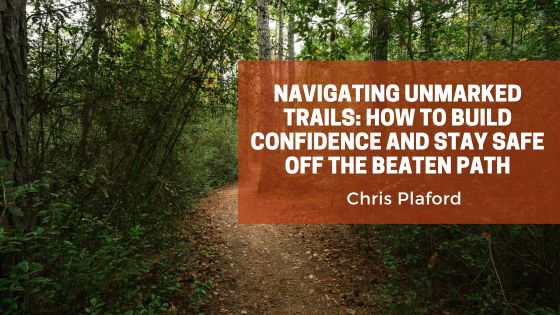
Marked trails provide structure and security, but unmarked paths offer a different kind of adventure. They allow hikers to explore less crowded areas, discover hidden landscapes, and develop a deeper connection with nature. However, navigating off the beaten path requires preparation, awareness, and a strong sense of direction. Building confidence in these environments is not about taking risks, but about developing the skills needed to move safely and responsibly.
Developing Strong Navigation Skills
The foundation of off-trail exploration is navigation. Relying solely on familiar paths is no longer an option, so understanding how to read the environment becomes essential. Learning to use a map and compass provides a reliable backup to digital tools that may lose signal or run out of battery power.
Recognizing natural landmarks such as ridgelines, water sources, and changes in vegetation can help maintain orientation. Paying attention to the direction of travel and periodically checking your position prevents small mistakes from turning into larger problems. Practicing these skills on shorter or partially marked routes is an effective way to build confidence over time.
Planning Before You Go
Preparation plays a critical role in safe exploration. Researching the terrain, weather conditions, and potential hazards helps set realistic expectations for the trip. Understanding elevation changes, water availability, and daylight hours ensures that hikers are not caught off guard.
Carrying essential gear is equally important. Navigation tools, extra water, weather-appropriate clothing, and emergency supplies provide a safety margin in case conditions change. Informing someone about your planned route and expected return time adds an additional layer of security.
Reading the Landscape in Real Time
Unmarked trails require constant awareness of surroundings. Terrain features can provide valuable guidance but also pose challenges. Dense vegetation, uneven ground, or sudden elevation changes may slow progress or obscure direction.
Taking time to observe the landscape helps identify the safest and most efficient path forward. Moving at a steady, controlled pace reduces the likelihood of injury and allows for better decision-making. If the terrain becomes too difficult or unfamiliar, turning back is always a responsible choice.
Managing Risk and Staying Oriented
Confidence in off-trail navigation comes from managing risk rather than eliminating it entirely. Regularly checking your position, noting key landmarks, and maintaining a general sense of direction help prevent disorientation. Avoiding shortcuts and staying mindful of time and distance ensure you return safely.
Weather conditions should also be monitored closely. Sudden changes in visibility, such as fog or heavy rain, can make navigation more difficult. Being prepared to adjust plans as conditions change is a key part of staying safe.
Building Confidence Through Experience
Like any outdoor skill, navigating unmarked trails improves with practice. Starting with shorter excursions and gradually increasing difficulty allows hikers to build experience without becoming overwhelmed. Each outing provides an opportunity to refine navigation skills, improve awareness, and gain confidence.
Exploring off the beaten path offers a unique sense of freedom and discovery. With proper preparation and a thoughtful approach, hikers can safely enjoy these experiences while developing a deeper understanding of the natural world.