
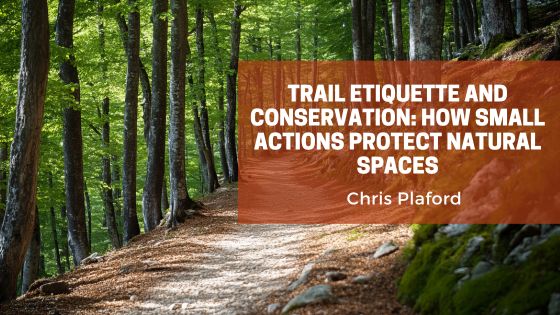
Outdoor recreation continues to grow in popularity, bringing more people onto hiking paths, forest routes, and mountain trails than ever before. While increased access to nature offers many benefits, it also places greater responsibility on visitors to protect the environments they enjoy. Trail etiquette is not just about courtesy toward other hikers; it is an essential part of conservation. Small, thoughtful actions help preserve natural spaces so they remain healthy and accessible for future generations.
Respecting trails begins with understanding that natural environments are often more fragile than they appear. Soil erosion, plant damage, and wildlife disruption can occur quickly when visitors ignore basic guidelines. By following simple practices, outdoor enthusiasts can reduce their impact while still enjoying meaningful experiences in nature.
Staying on Marked Paths
One of the most important principles of trail etiquette is staying on designated paths. Cutting switchbacks or creating new routes may seem harmless, but repeated foot traffic can damage vegetation and accelerate erosion. Trails are carefully designed to manage water flow, protect plant life, and minimize environmental impact. Remaining on marked routes helps maintain these protections.
Even when trails become muddy or uneven, walking through the center rather than around obstacles prevents paths from widening over time. These small choices help preserve trail structure and surrounding ecosystems.
Respecting Wildlife and Natural Features
Observing wildlife is often a highlight of outdoor exploration, but maintaining distance is essential. Feeding animals or approaching them too closely can disrupt natural behavior and create long-term risks for both wildlife and humans. Animals that become dependent on human food sources may struggle to survive independently.
Similarly, plants, rocks, and natural features should remain undisturbed. Picking flowers, carving into trees, or stacking rocks can alter habitats and reduce an area’s natural character. Leaving these elements untouched ensures that others can experience the environment in its original form.
Practicing Leave No Trace Habits
The principle of leaving no trace is central to conservation-focused trail etiquette. Carrying out all trash, leftover food, and personal items helps prevent pollution and protects wildlife. Even biodegradable items like fruit peels can disrupt ecosystems when left behind.
Proper waste management is equally important. Using designated facilities when available or following responsible disposal practices protects soil and water sources. These habits may seem small individually, but collectively they make a significant difference in preserving natural spaces.
Sharing Trails Respectfully
Trail etiquette also includes consideration for other visitors. Yielding appropriately, controlling noise levels, and keeping pets managed contribute to a positive outdoor experience for everyone. Respectful behavior encourages more people to enjoy nature responsibly, reinforcing a culture of conservation.
Simple communication, such as greeting fellow hikers or signaling when passing, helps maintain safety and cooperation on shared paths.
Protecting Nature Through Everyday Choices
Conservation does not always require great efforts or organized initiatives. Often, the most meaningful impact comes from consistent, small decisions made by individuals on every outing. Staying on trails, respecting wildlife, and properly disposing of waste all contribute to the long-term health of outdoor environments.
By practicing thoughtful trail etiquette, outdoor enthusiasts become stewards of the places they love. These small actions ensure that natural spaces remain vibrant, accessible, and protected for years to come.