
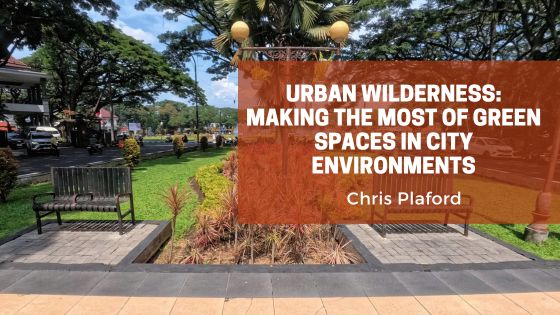
For many city dwellers, the idea of wilderness feels distant. Skyscrapers, traffic, and crowded streets dominate daily life, leaving little room for outdoor adventure. Yet urban environments often contain hidden pockets of green, parks, community gardens, riversides, and tree-lined streets that provide opportunities to reconnect with nature. These urban green spaces, sometimes overlooked, can serve as miniature wilderness areas where people can escape the pace of city life, improve their well-being, and engage with their surroundings in meaningful ways.
The Benefits of Urban Green Spaces
Spending time in nature, even on a smaller scale, has been shown to have documented physical and mental health benefits. Exposure to greenery reduces stress, lowers blood pressure, and improves mood. For city residents, access to parks and natural areas can provide a sense of escape and rejuvenation without the need for long trips outside town. Green spaces also encourage physical activity such as walking, jogging, or biking, which supports cardiovascular health and overall fitness.
Beyond health, urban green spaces foster social connection and community engagement. Parks and gardens serve as gathering places, hosting events, volunteer projects, and recreational activities. These shared experiences strengthen neighborhood bonds and cultivate a sense of belonging.
Observing and Engaging with Nature
Urban wilderness encourages mindfulness and observation. By slowing down and noticing subtle details, birds nesting, insects pollinating flowers, or seasonal changes in plant life, city residents can develop a deeper appreciation for their environment. Even small actions, like identifying tree species along a street or spotting a family of ducks in a pond, bring a sense of adventure to familiar surroundings.
For families, green spaces provide opportunities to introduce children to outdoor learning. Teaching kids to recognize plants, insects, and birds in a local park builds environmental awareness and fosters a connection to nature that can last a lifetime. Engaging with urban wildlife also teaches patience, observation skills, and respect for living systems.
Creating Your Own Urban Wilderness Experience
Maximizing urban green spaces doesn’t require extensive planning. Simple approaches, such as exploring a new park each week, walking different trails, or observing seasonal changes in familiar areas, can create a sense of exploration and discovery. City residents can also participate in community projects, like tree planting or garden maintenance, which enhance the environment while offering hands-on interaction with nature.
Even small spaces, such as balconies, rooftops, or pocket gardens, can be transformed into mini natural retreats. Adding plants, bird feeders, or small water features creates a micro-habitat that attracts local wildlife and provides a daily connection to the outdoors.
Finding Adventure Close to Home
Urban wilderness demonstrates that adventure and nature are not confined to remote forests or national parks. By actively seeking out green spaces and engaging with local ecosystems, city residents can experience the restorative power of nature without leaving home. Over time, these small interactions build a stronger connection to the environment, improve well-being, and make city living more fulfilling.
Embracing urban green spaces is about noticing, participating, and appreciating what is often right in front of us. Even in bustling cities, wilderness is never truly out of reach; it just requires curiosity, attention, and a willingness to explore the natural world in new ways.